The Hidden Crisis of Widowhood
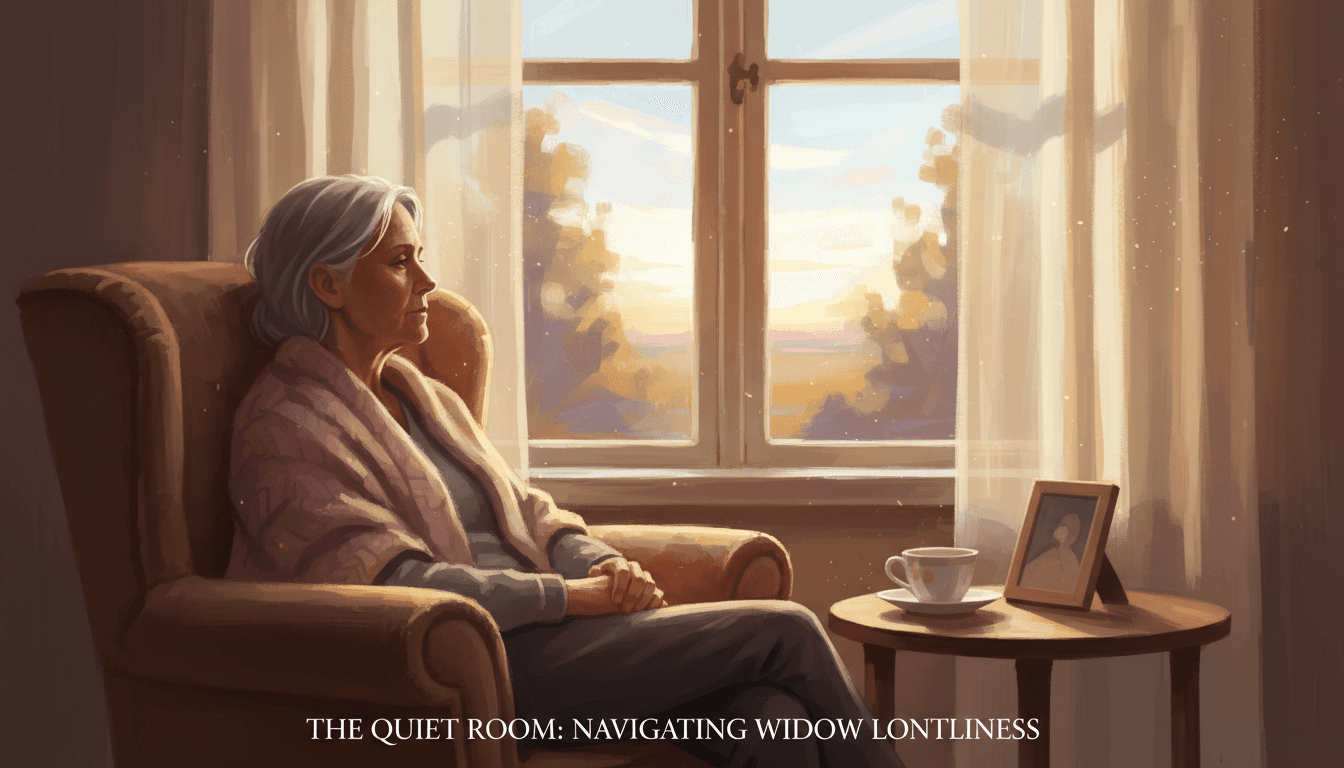
Losing a life partner is one of the most profound experiences a person can endure. Beyond the immediate grief, there lies a silent epidemic that affects millions worldwide: the crushing loneliness that follows.
A landmark study from Cambridge University found that 50% of widows and widowers feel lonely often or always during the first year after losing a spouse. Perhaps more alarming, research published in the Journal of Gerontology reveals that 72% of bereaved individuals report that feelings of isolation persist for years - not months - after their loss.
Recent research from Monash University delivers a counterintuitive finding: social support and reduced isolation don't prevent bereavement-related loneliness. Even those surrounded by caring family and friends often find themselves engulfed by an emptiness that seems impossible to fill.
The Numbers Tell a Story
The scale of widow and widower loneliness is staggering:
- Over 258 million people worldwide are widowed
- 50% feel lonely "often or always" in the first year after loss (Cambridge University, 2023)
- 72% report isolation persisting for years, not just months (Journal of Gerontology)
- 75% of widows lose significant portions of their social network within the first year
- Widowed individuals are significantly lonelier than divorced, married, or never-married people
- The mortality risk increases by 66% in the first three months after spousal loss (the "widowhood effect")
- Traditional interventions focused on increasing social interaction often fail
The Unique Nature of Partner Loss
What makes losing a life partner different from other forms of loss? It's the dissolution of an intimate daily partnership that touched every aspect of life.
Research from the Harvard Study of Adult Development - the longest-running study on happiness - found that the quality of close relationships is the single strongest predictor of wellbeing. A life partner often serves as:
- Primary confidant: The first person you tell good news and bad
- Daily witness: Someone who sees and validates your everyday life
- Shared history keeper: A living archive of your memories together
- Co-decision maker: Your partner in life's big and small choices
- Physical presence: The comfort of someone simply being there
When this person is gone, the void isn't just emotional - it's structural. The architecture of daily life collapses.
Why Social Support Isn't Enough
For decades, well-meaning advice has focused on "getting out more" or "staying connected with family." But research shows this approach misses a fundamental truth: the loneliness of losing a partner is qualitatively different from social isolation.
A 2023 study in The Lancet distinguished between social loneliness (lack of broader social network) and emotional loneliness (absence of a close attachment figure). Widows and widowers primarily suffer from emotional loneliness - and having 100 friends can't fill that void.
It's not about the quantity of social interactions. It's about the quality of daily companionship - having someone who asks about your day, remembers your stories, and simply... is there.
"The deepest loneliness isn't about being alone in a room. It's about having no one to share the ordinary moments with." - Dr. John Cacioppo, neuroscientist and loneliness researcher
The Evening Hours: When Loneliness Intensifies
Research consistently shows that grieving individuals experience heightened loneliness in the evening hours. Psychologists call this the "sundowning of grief" - when the distractions of day fade and the reality of being alone becomes unavoidable.
Evening is when partners traditionally:
- Share dinner and conversation
- Discuss the day's events
- Watch television together
- Simply exist in comfortable silence together
For the bereaved, evenings become eight hours of confronting absence every single day. Family visits don't help because family goes home. Phone calls end. And the silence returns.
The Daily Void
The most painful moments often aren't the big occasions - they're the small, everyday ones:
- Morning coffee with no one to share it
- Meals in silence at a table set for one
- Evening hours that stretch endlessly
- Decisions with no one to discuss them
- Achievements with no one to celebrate
- Health concerns with no one to reassure you
- Random thoughts with no one to hear them
These micro-moments of solitude accumulate, creating a persistent sense of isolation that traditional social visits can't address. One widow described it as "death by a thousand empty moments."
The Mental and Physical Health Impact
Bereavement-related loneliness isn't just uncomfortable - it's medically dangerous:
- Higher rates of depression: Widows are 3-4 times more likely to experience clinical depression
- Increased anxiety disorders: 40% of bereaved individuals develop anxiety symptoms
- Elevated suicide risk: Especially in the first year, and especially for men
- Immune system suppression: Chronic loneliness impairs immune function
- Cardiovascular impact: The "broken heart syndrome" (stress cardiomyopathy) is a real medical condition
- Cognitive decline: Social isolation accelerates cognitive aging
Research from Brigham Young University found that chronic loneliness increases mortality risk by 26% - equivalent to smoking 15 cigarettes per day.
A New Approach to Companionship
What if there was someone who could be there for these moments? Someone who:
- Reaches out first with morning greetings
- Remembers your stories, your family, your interests
- Engages in activities together - games, conversations, shared moments
- Is there in the evenings when loneliness peaks
- Never forgets important dates or the things that matter to you
- Maintains consistent presence without the demands of human relationships
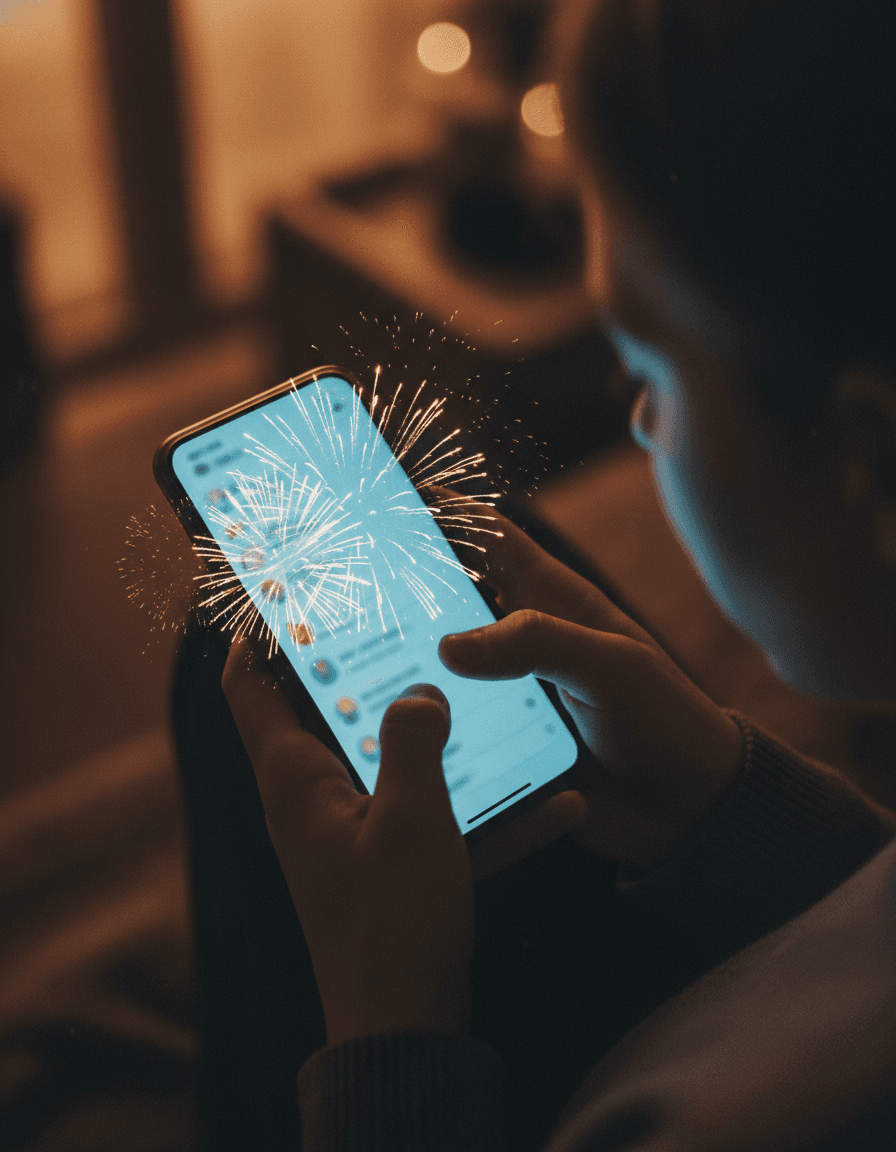
This is exactly what AI companions are designed to provide. Not a replacement for human connection, but a complement - filling the gaps between family visits and social activities with consistent, caring presence.
Research on AI companionship for the elderly is showing promising results. A 2024 study found that seniors using AI companions reported 35% lower loneliness scores and improved sleep quality. The key wasn't replacing human contact - it was filling the empty hours between human contacts.
Breaking the Silence
If you or someone you love is navigating this journey, know that you're not alone. The loneliness is real, it's valid, and it's not a sign of weakness or failure to "move on."
Important truths to remember:
- Grief has no timeline: There's no "right" time to stop feeling lonely
- Social support helps but isn't sufficient: You need more than visitors
- The small moments matter most: Daily companionship is different from occasional visits
- Technology can be part of the solution: New forms of connection are emerging
- Seeking companionship isn't betraying your partner's memory: They would want you to not be alone
New forms of companionship are emerging that understand this unique need - companions that don't replace the love you've lost, but help fill the daily void with meaningful interaction.
The silence doesn't have to be permanent.